Live stream
Our parish
Kildysart Parish
About the ParishMake a donation
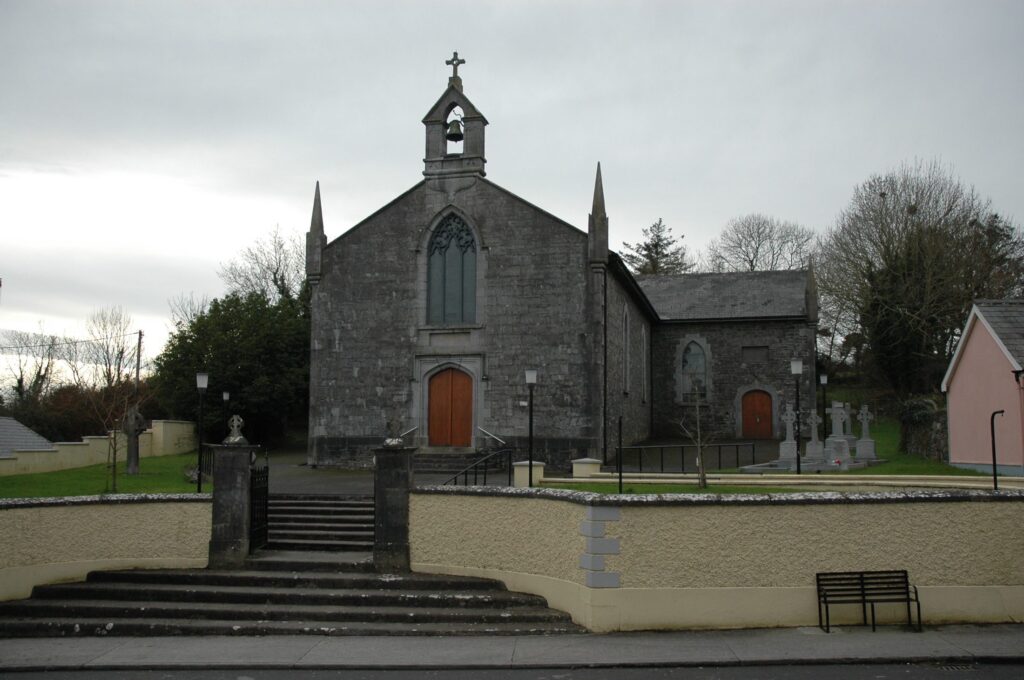
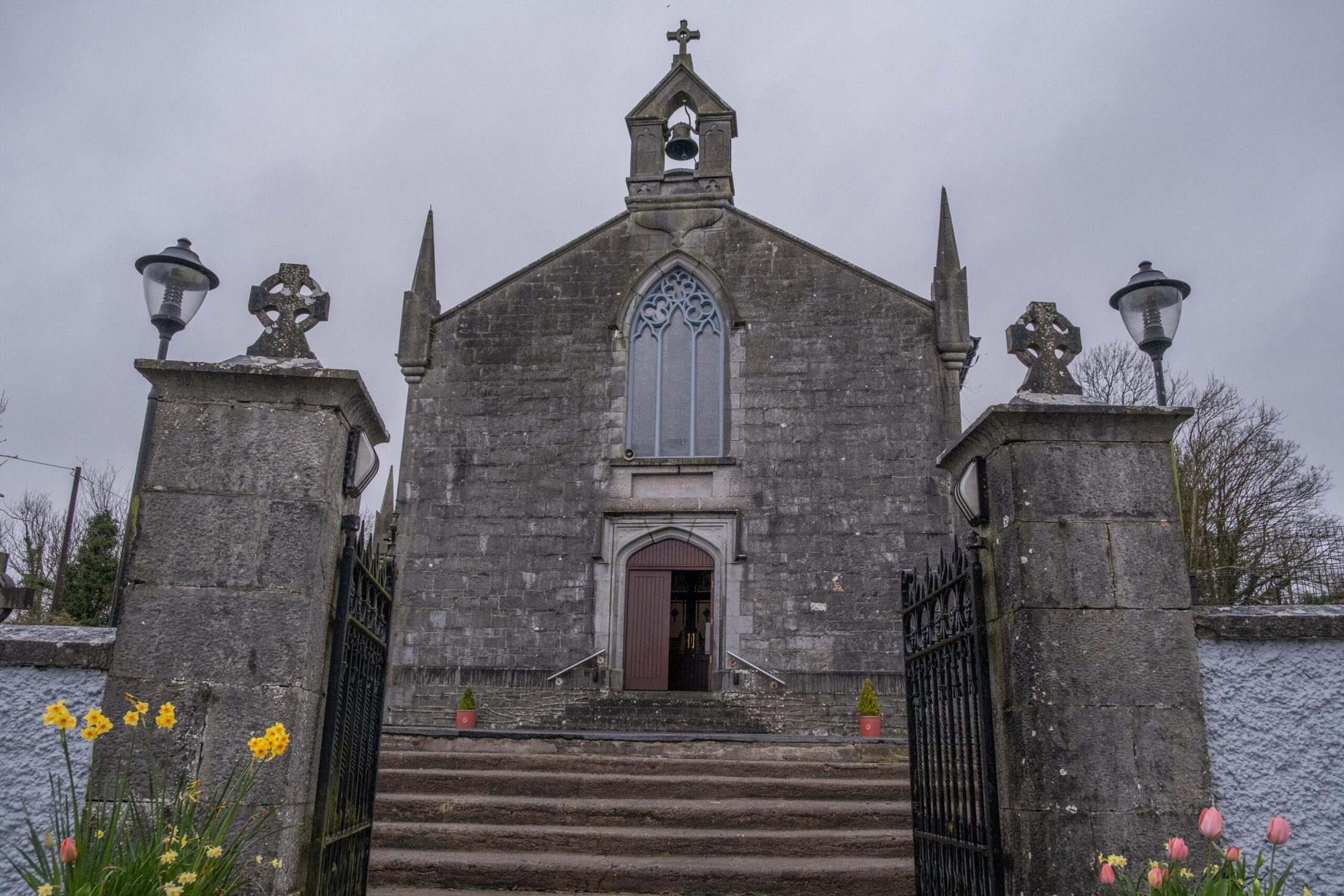
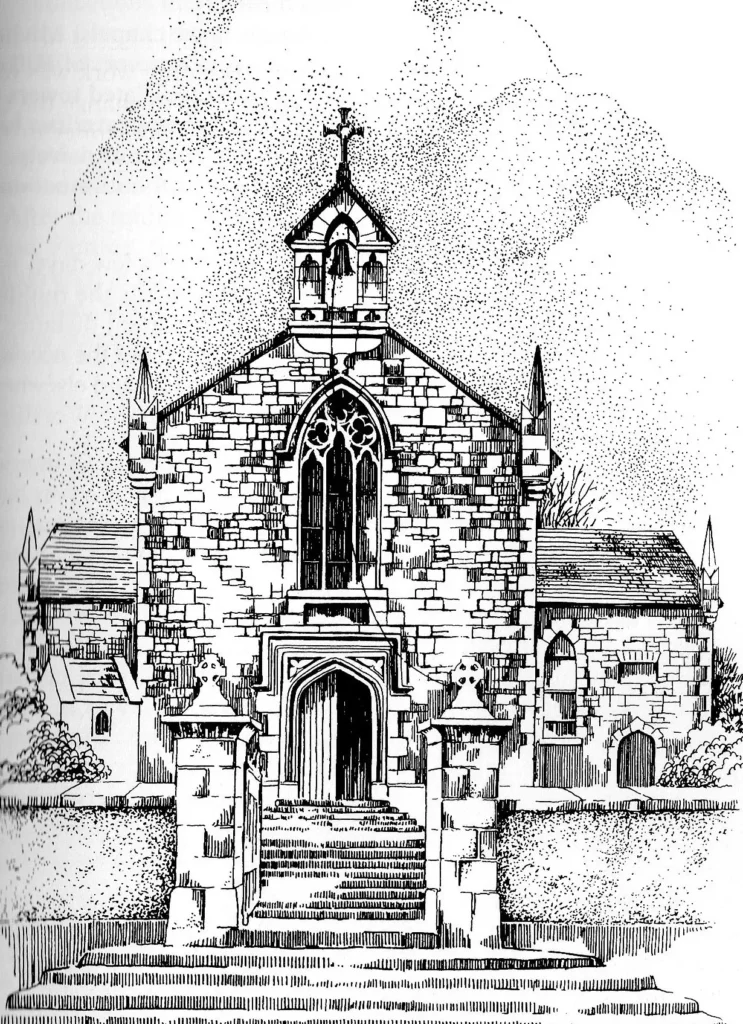
St Michael’s Church is situated in the village of Kildysart, overlooking the beautiful Shannon Estuary.
For generations, the church has been a central part of community life, providing a place for worship, celebration, prayer and remembrance.
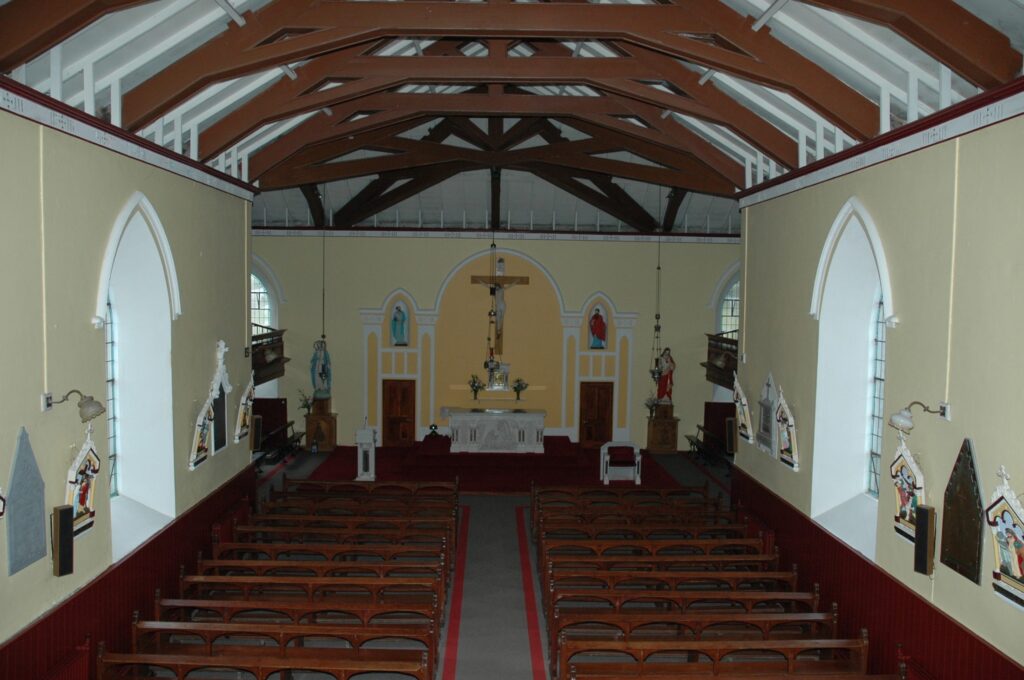
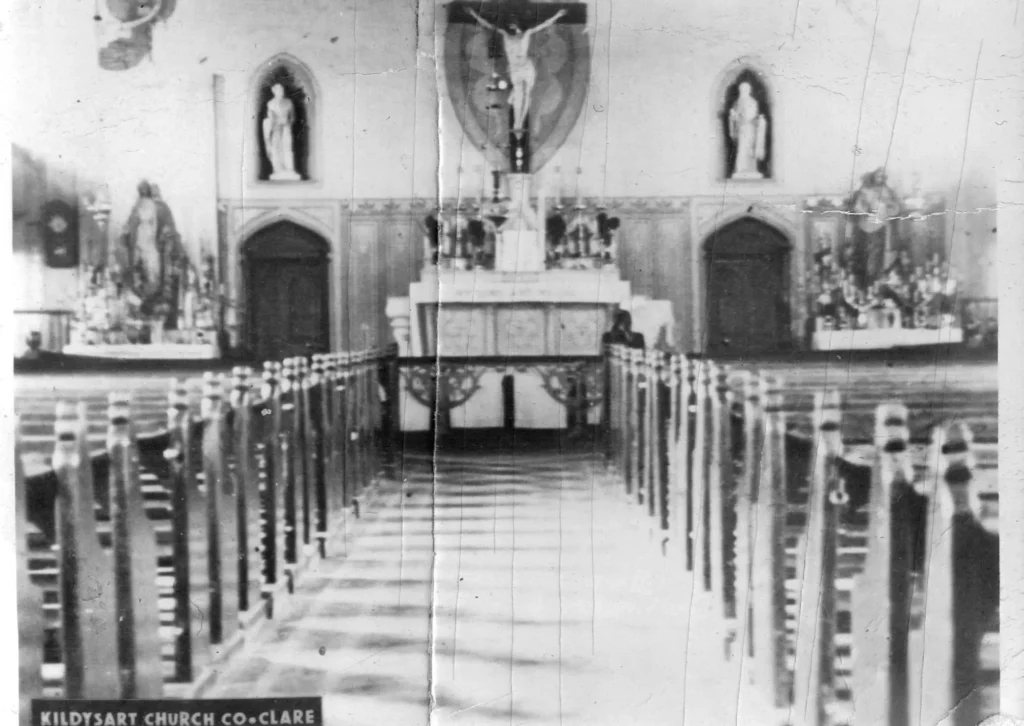
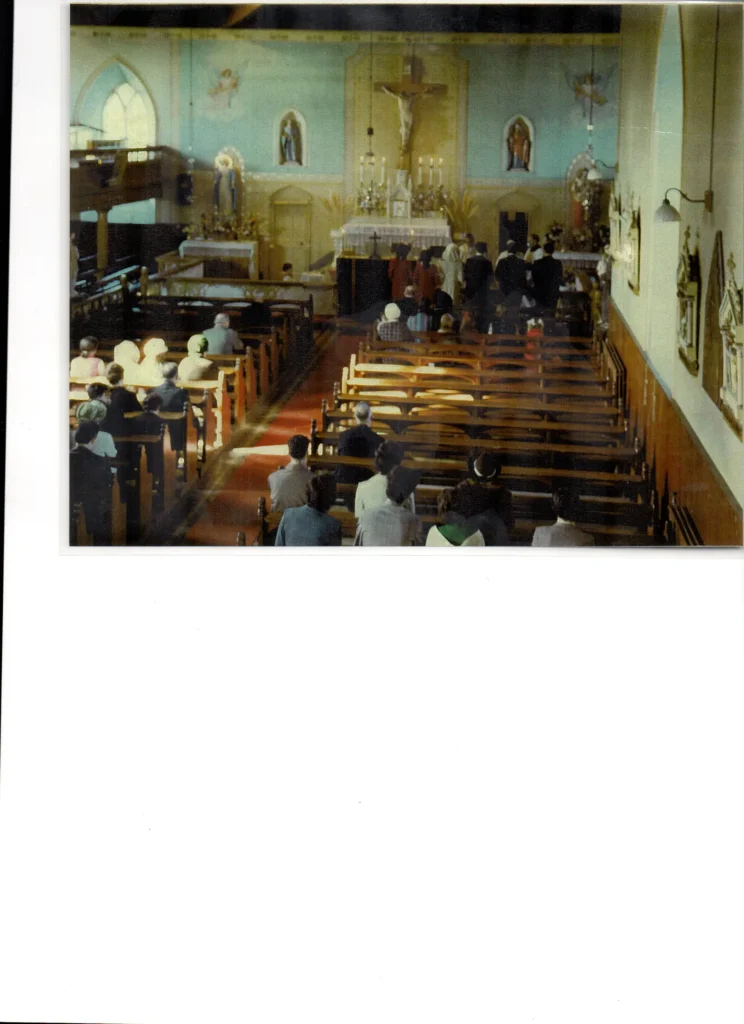
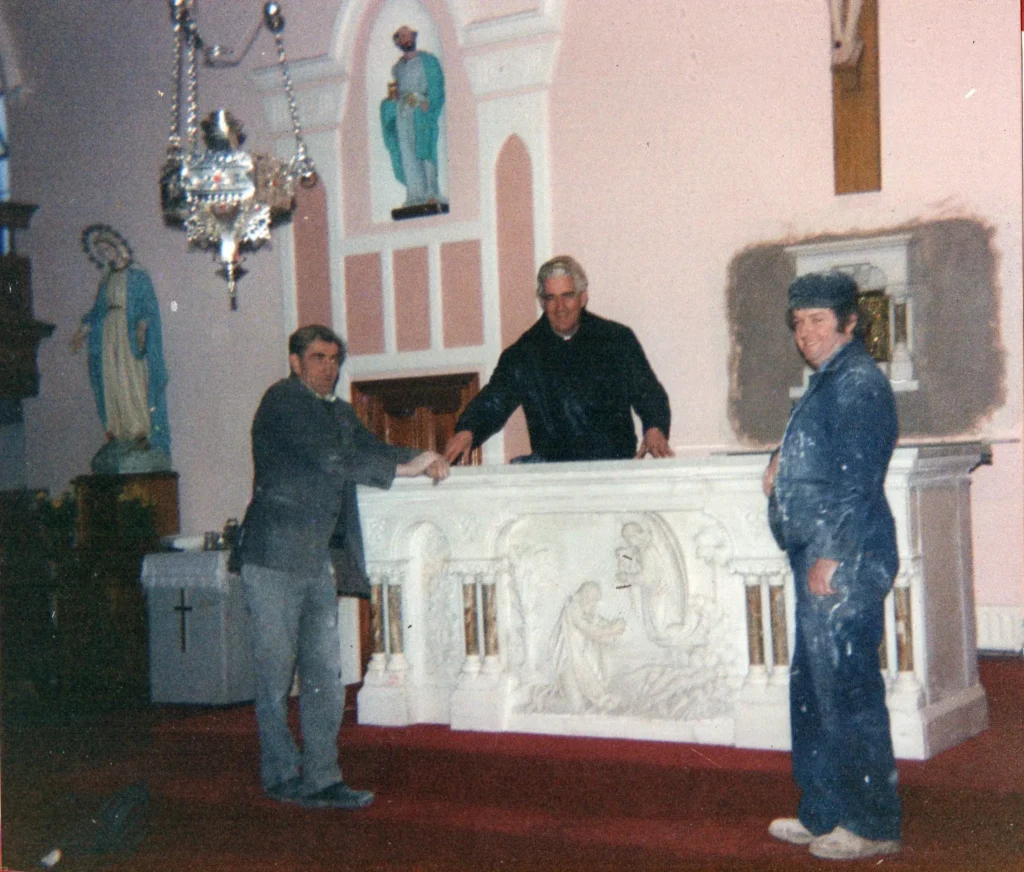
Among its features is a marble altar originally installed in the Presentation Convent in Tuam in 1914. The altar was brought to Kildysart and erected in the church in 1992.
Today, St Michael’s continues to welcome parishioners and visitors to share in the life of the Church.
Mass Times
For changes to regular Mass times and special celebrations, please refer to our Weekly Newsletter.
| Church | Saturday | Sunday | Monday | Tuesday | Wednesday | Thursday | Friday |
|---|---|---|---|---|---|---|---|
| St Michael’s Church, KildysartKildysart | No Mass |
| No Mass | No Mass |
| No Mass |
|
Find Us
St Michael's Church
Kildysart
Co. Clare
V95 D259
About St Michael's Church
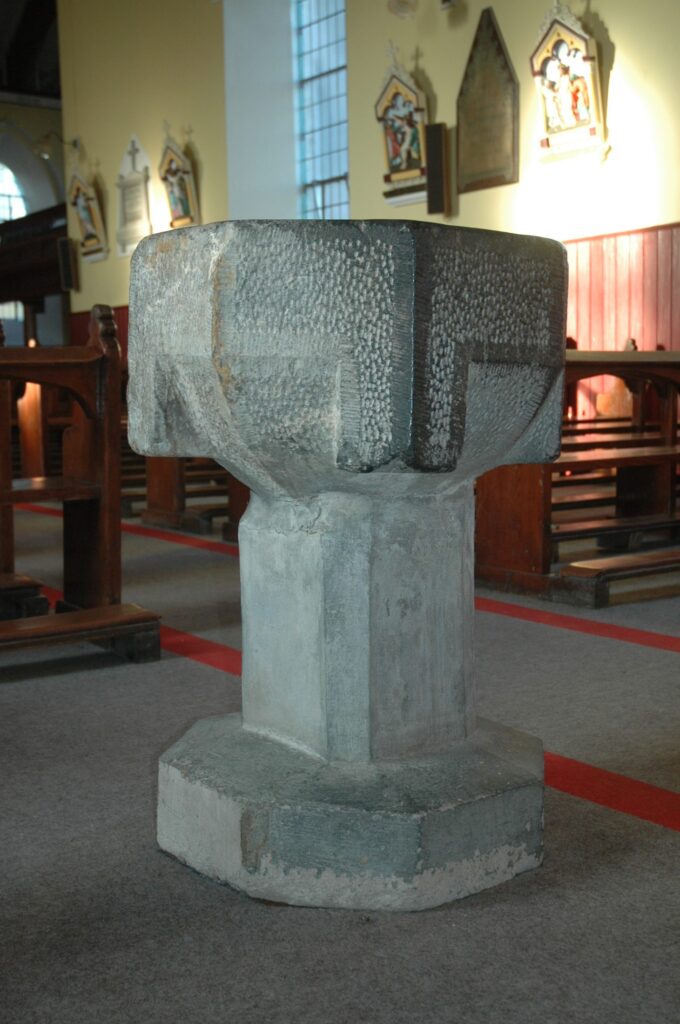
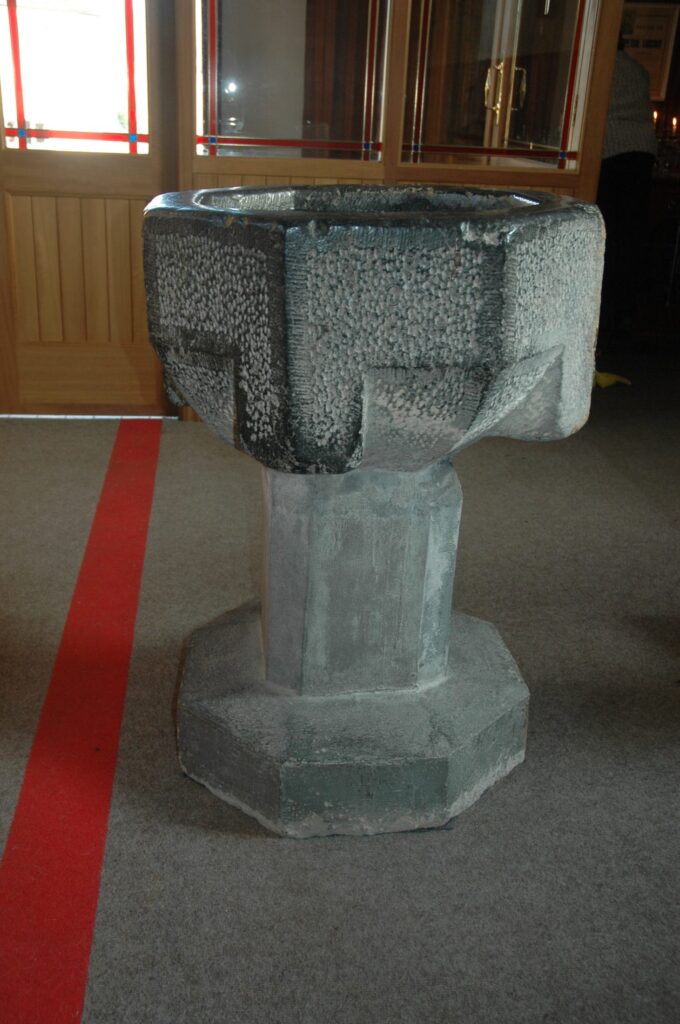
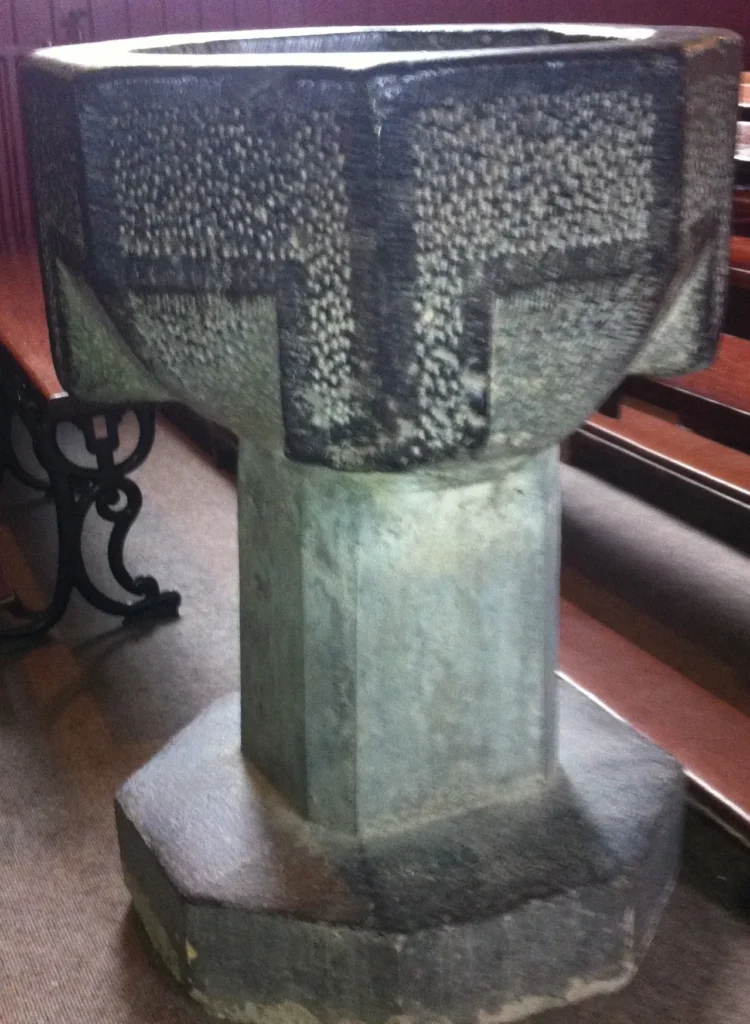
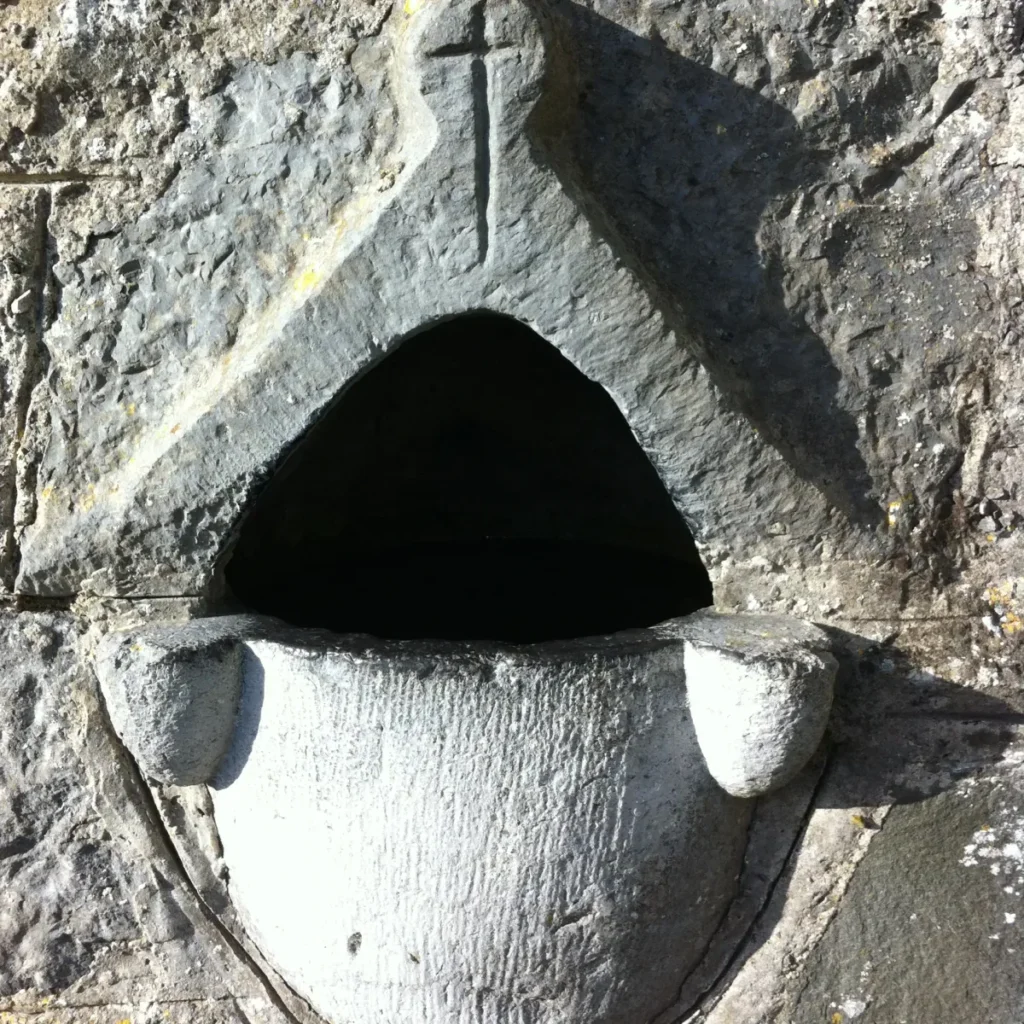
St Michael’s Church is located (Eircode V95 D259) on an elevated site in the centre of the village. It was constructed in 1828–1830 when Fr Patrick Sheedy was parish priest. Quoin stone from Canon Island was used for the building and it contains a holy water font taken from the Abbey on the island. The Carrara marble altar, ambo and presidential chair were added in 1992 and were previously in the chapel of the Mercy Convent in Tuam. The church also contains a number of plaques to deceased parish priests.
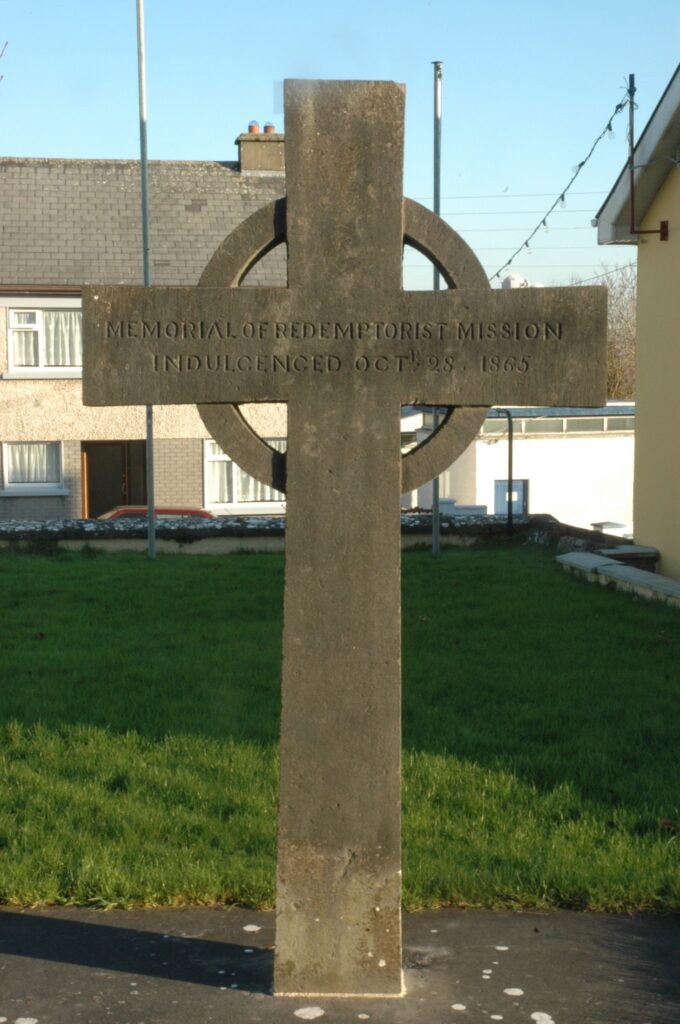
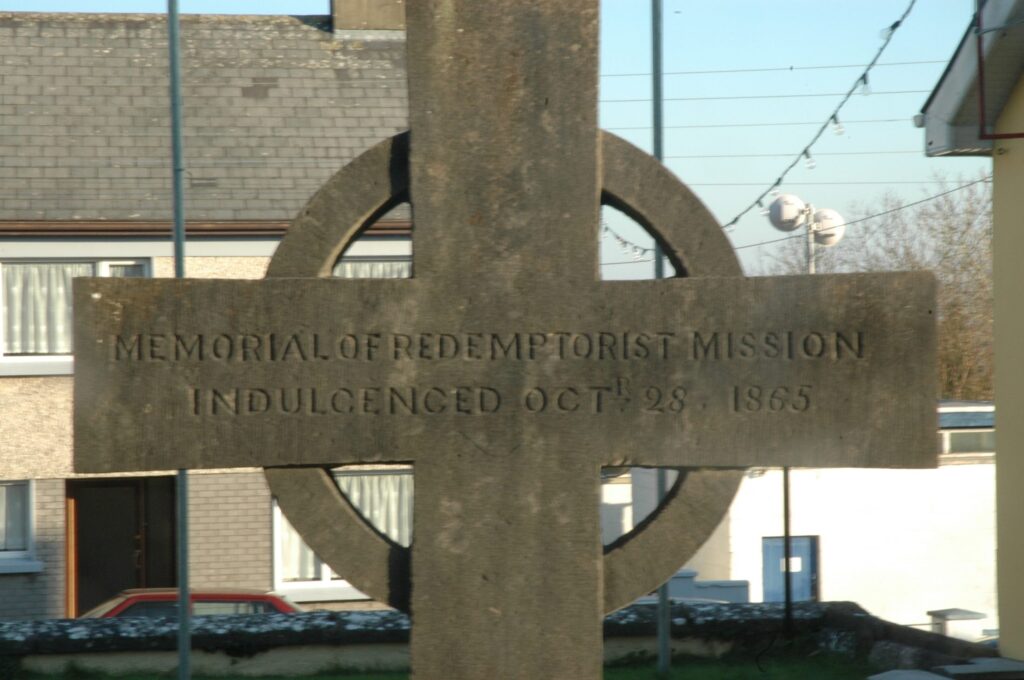
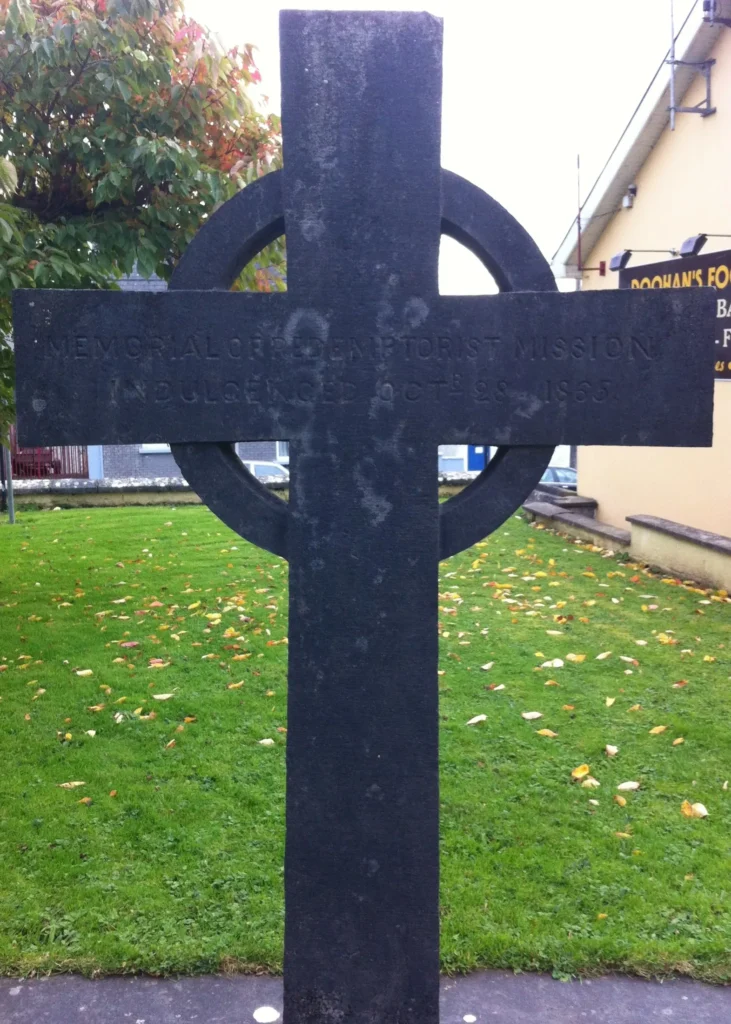
In the grounds of the church there is a cross which commemorates a mission given by the Redemptorists in the parish in 1865. During the mission 1,500 people received the sacrament of Confirmation.
Kildysart: A Parish History
Kildysart parish is essentially based on its medieval predecessor, although the modern boundaries are different. From the late seventeenth century, however, at different times Kildysart was administered, partially or in toto, with other parishes, in combinations that are now impossible to follow. The 1704 registry, for example, gives two separate entries for Kildysart, one under a registered priest, Fr. John Donoghue, and the other a combination of Kilmaleery, Kildysart, and Kilfiddane, under a Fr. Terlagh McMahon (later bishop of Killaloe). Fr. McMahon’s ministry must have been onerous in terms of travel, since Kilmaleery lay on the other side of the Fergus estuary.
In 1731 there was one mass house in ‘greater’ Kildysert, which had been built in the reign of George I, the parish priest being a Fr. Darby Cahill. Of this church, tradition only remembers a thatched roof chapel-sized structure. When the newly appointed parish priest, Fr. Patrick Sheehy, arrived at Kildysart in 1828, he found the parish chapel – either this building or its successor – to be in a ruinous and structurally dangerous condition. Within two years Sheehy replaced the chapel with a large cruciform structure; within four he had built two other chapels at Coolmeen and Cranny, both of which were in his parish at that time.
The Building of St Michael's
According to a local tale, the landlord Bindon Scott of Cahircon donated the prime site in the village for a new church on the condition that the parish priest rid him of the nuisance of a noisy flock of crows. Priest and people accordingly prayed and the crows obligingly left Cahircon, some of them crossing the Shannon to Kerry, while others hung around in the vicinity of Shore Park. The builder of the new church was a Daniel O’Connell and this may have given rise to the local belief that the Liberator had promised Fr. Sheehy that he would lay the foundation stone, in gratitude for his support during the Emancipation campaign. According to Westropp, quoin stones from Canon’s Island were used in the building of the new church, which was dedicated to St. Michael, and the font inside the holy water font is reputed to have come from the same place.
Missions, Renovations and the Marble Altar
At a Redemptorist retreat held at Kildysart in 1865, no less than 1,500 persons, aged from twelve to sixty, were confirmed. In 1868 the parish became much smaller in extent when Kilfiddane was separated to form the parish of Coolmeen and Cranny, and by the end of the century, the population of the parish had fallen so much that for the first time it was possible to provide seating accommodation for all worshippers at St. Michael’s. In 1876, Stations of the Cross were provided for the church, and a new altar of Caen stone was consecrated by Bishop James Ryan. This high altar, together with the side altars and altar rails, were removed during the liturgically-based renovations of 1973. In 1990, however, in the course of further renovations, Fr. Michael Hillery, P.P. was able to acquire the marble high altar from the Presentation Convent in Tuam for the church.
Holy Wells
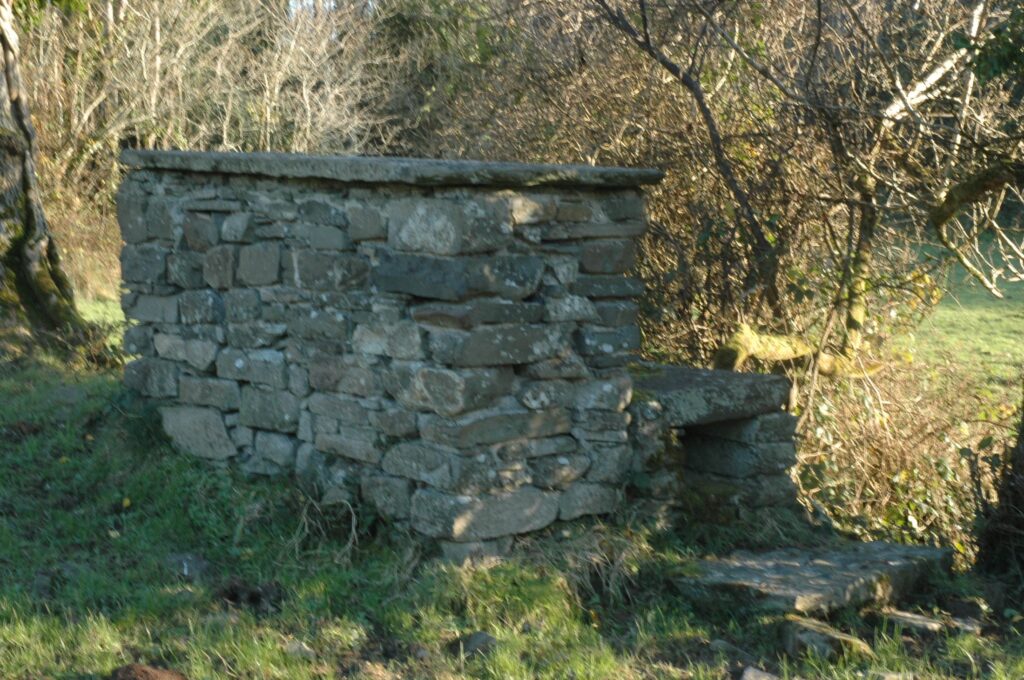
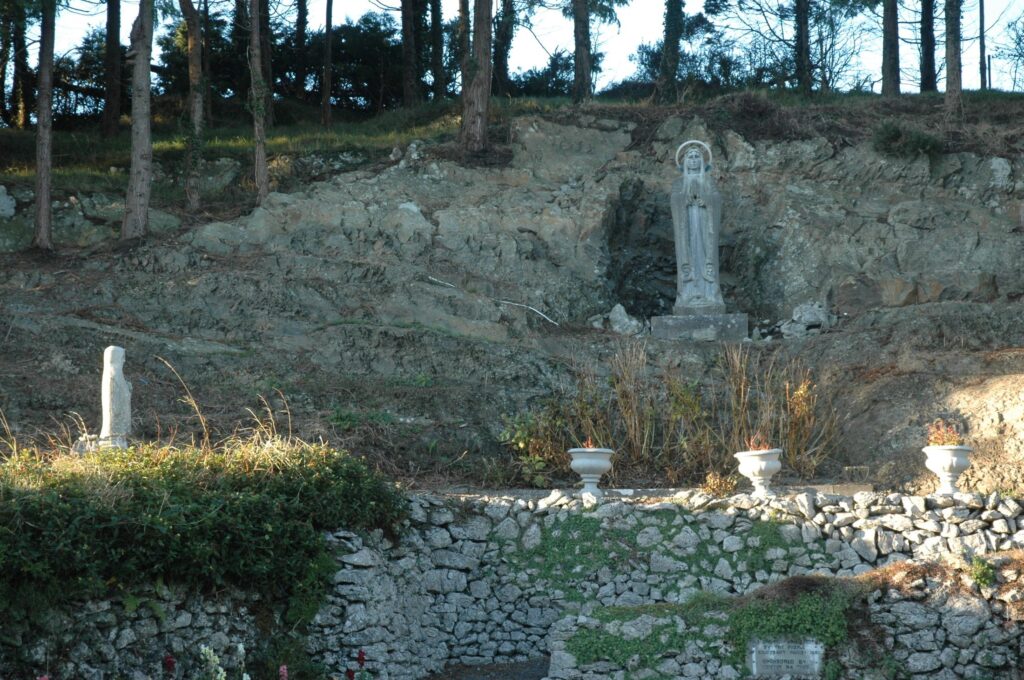
The most important of the holy wells of Kildysart parish are Lacknashannagh, dedicated to Our Lady; Crovraghan, known as Tobar Breacáin, and a third well at Cooga, called Tobar Ruadhan. Lacknashannagh Well was much visited by pilgrims annually on 15 August, although the practice has long been discontinued. Tradition has it that the restored altar at Ballylean is in fact a mass rock, and was once covered with thatch.